

The GYN Lounge
Alma TED Treatments in Fresno, CA

what is Alma TED?
Alma TED® is a non-invasive, drug-free hair restoration treatment designed to improve hair thickness, strength, and overall scalp health. It uses advanced ultrasound technology combined with a proprietary hair growth serum to stimulate dormant hair follicles and support natural hair regrowth—without needles, medications, or downtime. Alma TED is ideal for men and women experiencing early to moderate hair thinning who want a comfortable, in-office solution with no daily maintenance.

How does Alma TED Work?
Alma TED uses low-frequency ultrasound waves to gently open micro-channels in the scalp, allowing a specialized growth-supporting serum to penetrate deeply into the skin where hair follicles reside. This process enhances nutrient absorption, increases blood flow, and helps reactivate weakened follicles. Unlike injections or oral medications, Alma TED works externally, making it a safe and well-tolerated option for patients who prefer a natural, technology-driven approach to hair restoration.
Treatments are quick and comfortable, typically completed in under 30 minutes, and require no recovery time—allowing you to return to normal activities immediately after your visit.

.webp)
Benefits of Alma TED
Non-invasive and needle-free treatment
Face coNo medications, hormones, or prescriptionsntouring
No downtime or post-treatment restrictions
Skin resuImproves hair thickness, density, and scalp healthrfacing
Safe for both men and women
Frequently Asked Questions
Most patients see optimal results with a series of 3 sessions spaced about one month apart. Your provider at Slicer Aesthetics and Medical Services will customize a plan based on your level of hair thinning and goals.
No. Alma TED is comfortable and painless. Patients typically describe the sensation as a gentle warmth or light vibration on the scalp.
Many patients notice improvements in hair texture and reduced shedding within a few weeks. Visible increases in thickness and density typically develop over 2–3 months as the hair growth cycle progresses.
Yes. Alma TED is FDA-cleared and clinically tested. Because it does not use drugs, needles, or hormones, it has an excellent safety profile with minimal risk of side effects.

The GYN Lounge
Pixel Skin Rejuvenation Treatments in Fresno, CA
Restore Comfort, Confidence & Intimate Wellness
Vaginal Rejuvenation is a non-invasive treatment designed to restore vaginal health, improve elasticity, and enhance overall intimate wellness. Using advanced technology, this treatment gently stimulates collagen production and promotes natural tissue regeneration.
Ideal for women experiencing changes due to aging, childbirth, or hormonal shifts, vaginal rejuvenation can help improve laxity, dryness, mild urinary incontinence, and sensitivity—supporting greater comfort and confidence in your daily life.
Pixel Skin Rejuvenation
Pixel Skin Rejuvenation works by delivering fractional laser energy into the skin, creating thousands of controlled micro-injuries while leaving surrounding tissue intact. This fractional approach triggers the body’s natural healing response, stimulating collagen and elastin production while resurfacing the skin from within.
As new collagen forms, damaged skin cells are replaced with healthier, smoother skin. Because only a fraction of the skin is treated at a time, healing is faster compared to traditional laser resurfacing—while still delivering noticeable, long-lasting results.
Treatments are performed in-office, typically taking 30–60 minutes depending on the area treated and the depth of resurfacing.
.webp)
Before & After
Clearlift skin resurfacing

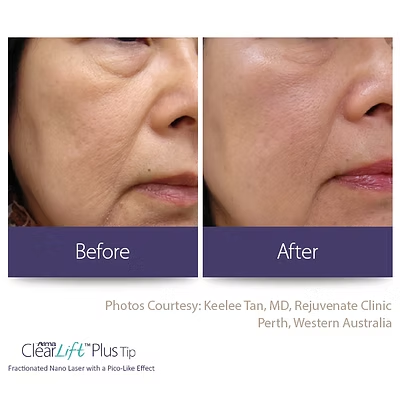
Before & After
Vascupen

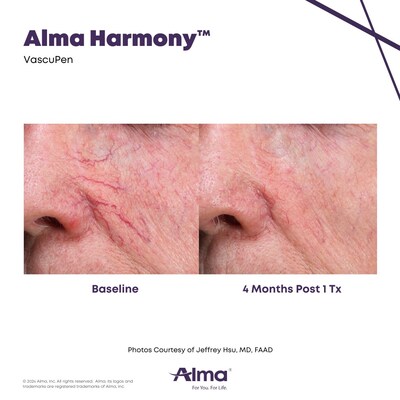

Benefits of Pixel Skin Rejuvenation
Pixel Skin Rejuvenation delivers visible skin renewal while supporting long-term collagen remodeling. Patients choose this treatment for its ability to address multiple skin concerns in one powerful session.
Frequently Asked Questions
Many patients see significant improvement after just one treatment. Depending on your skin concerns and goals, a series of 1–3 sessions may be recommended for optimal results.
A topical numbing cream is applied before treatment to ensure comfort. Most patients experience a warming or prickling sensation during the procedure, which is well tolerated.
Downtime varies based on treatment intensity. Most patients experience redness and mild swelling for a few days, with light flaking or peeling as the skin heals. Deeper treatments may require up to 5–7 days of social downtime.
Initial improvements are often visible within 7–10 days, with continued skin tightening and texture improvement over the next 8–12 weeks as collagen production increases.
Dr. Ikedilo
Dr Adanna Ikedilo is a Nigerian born daughter of an OB/GYN Physician father. At the age of 9 years old, she and her parents migrated from Nigeria to Jamaica where she completed her secondary education. She went to University of the West Indies for her undergraduate studies, then attended St. George’s University School of Medicine in Grenada for her medical studies.
Dr Adanna Ikedilo’s service extends beyond clinical practice. She is also committed to teaching and mentoring medical students from the California Health Sciences University (CHSU) College of Osteopathic Medicine Fresno campus, NP and CNM students as well as Resident Physicians helping them to sharpen their clinical skills and their professional development. She is also involved in volunteer work here in the Valley, as well as in Jamaica and in Nigeria, continuing her commitment to improving access to education and women’s healthcare in her community and beyond.
%201.webp)
Contact Our Team Today!
.webp)